Even the most powerful leaders are not immune to health challenges. Sonia Gandhi, one of India’s most influential political figures, once stepped away from active public life to focus on her health. Her decision to prioritise medical care reminded the nation of an important truth: illnesses do not see status, power, or position. While her journey brought public attention to women’s health, it also quietly underlined a message often ignored—early detection and timely treatment can save lives. Cervical cancer, like many other women-centric health issues, can be prevented and treated if addressed in time, yet thousands of women remain unaware of the warning signs and the importance of regular screening.
“Cervical cancer is often called a silent killer — sometimes it shows no symptoms until it is too late. This was true for countless women across India, like Meena (name changed), a 38‑year‑old schoolteacher from Uttar Pradesh. She noticed unusual bleeding but didn’t take it seriously. Months later, she was diagnosed with cervical cancer. Fortunately, timely treatment helped her recover. Meena’s story reflects a painful truth: cervical cancer can affect any woman, yet early detection and prevention can save thousands of lives.”
In India, cervical cancer remains one of the most common cancers affecting women, despite being largely preventable with vaccination and regular screening. Recent government estimates show that an estimated by ETHealthworld says that about 35,691 women died of cervical cancer in India in 2023 alone.
What Is Cervical Cancer?
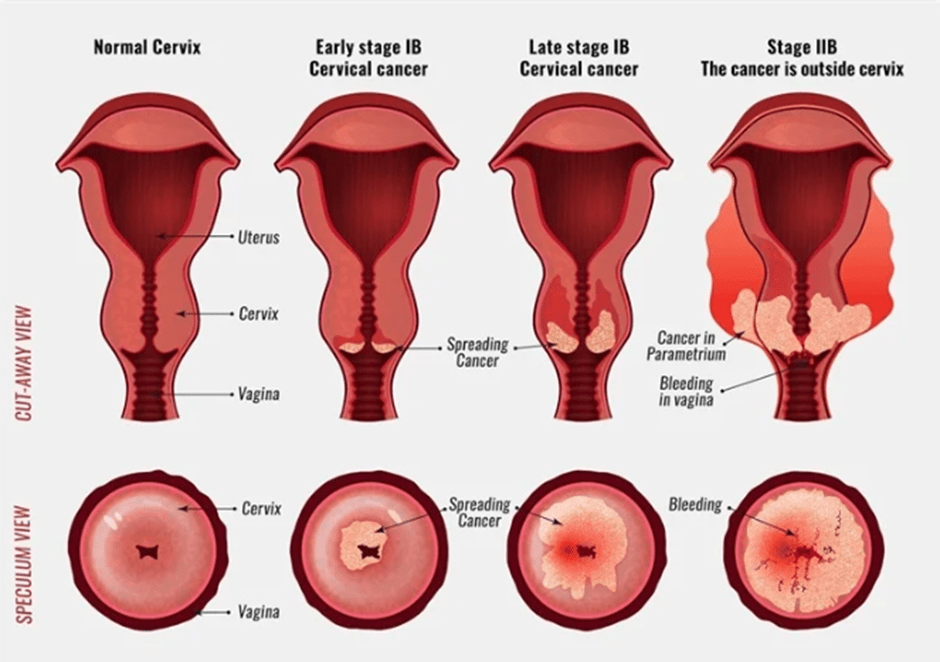
Cervical cancer begins in the cervix, the lower part of the uterus that connects to the vagina. The primary cause is a persistent infection with Human Papillomavirus (HPV) — especially high‑risk strains like HPV 16 and 18 which are linked to about 70–80% of invasive cervical cancers.
Most early HPV infections resolve on their own, but persistent infection can cause abnormal cell changes over years, eventually leading to cancer if untreated. Early stages often show no symptoms, which is why screening is crucial.
The Burden in India: Key Data
-
- India accounts for about one in every five cervical cancer cases worldwide and nearly one in every four deaths from cervical cancer, according to global research.
-
- According to ThePrint Over 10.18 crore women aged 35+ have been screened for cervical cancer under national programmes, yet this represents less than half of the estimated eligible population.
-
- Outlook India Studies show that the national average for regular cervical cancer screening is only about 1.97%, with rates varying widely across states and socio‑economic groups. HPV infection is common — about 6.6% of women in India may harbor HPV at any given time.
These numbers highlight both progress and the enormous distance yet to be covered in prevention and early detection.
Symptoms and Risk Factors
Because cervical cancer often develops slowly, early symptoms can be subtle. Common signs include:
-
- Abnormal vaginal bleeding, especially after intercourse or between periods
-
- Unusual vaginal discharge
-
- Pelvic pain
-
- Pain during intercourse
Risk factors include early age at first sexual activity, multiple sexual partners, tobacco use, a weakened immune system, and lack of regular screening.
Prevention: Screening & Vaccination
1. HPV Vaccination — A Game Changer
HPV vaccines protect against the strains most likely to cause cervical cancer. The new indigenous HPV vaccine (CERVAVAC) protects against HPV types 6, 11, 16, and 18 and can reduce cervical cancer risk by more than 80%. Several Indian states — like Maharashtra — have begun offering free HPV vaccination for girls aged 9–14 years, and the national government has endorsed HPV vaccination as a priority prevention measure.Despite this progress, vaccine hesitancy, misinformation, and cultural barriers remain major hurdles to widespread uptake.
2. Regular Screening Saves Lives
Regular screening through Pap smears, HPV DNA tests, or Visual Inspection with Acetic Acid (VIA) can detect pre‑cancerous changes before cancer develops. Experts recommend screening every three years for women aged 30–65, yet many women in rural areas still lack access.
Champions in the Fight Against Cervical Cancer in India- India is home to doctors and advocates making real impact:
-
- Dr. Neerja Bhatla, a leading gynecologist, served as President of FIGO (International Federation of Gynecology and Obstetrics) and has advanced global staging and prevention guidelines.

-
- Dr. Sabhyata Gupta is a gynae‑oncologist at Medanta, Gurugram focusing on treatment and surgical care.

-
- Dr. Sumita Prabhakar leads the Can Protect Foundation, organizing free screening and awareness camps.

-
- Specialists like Dr. Swati Shah and Dr. Divya Sehra offer advanced clinical care and champion early diagnosis across major cities.
These experts help bridge research, clinical practice, and community outreach critical components in combating cervical cancer.
Government Efforts and Future Goals
Under the National Health Mission and the Ayushman Arogya Mandirs initiative, India has expanded cervical cancer screening and treatment across the country. Across this programme, over 9 crore women have been screened, with 96,747 diagnosed and 86,196 receiving treatment for cervical cancer.
The government’s long‑term vision aims for a “Cervical Cancer‑Free India” through increased vaccination, screening coverage, and public awareness.
Conclusion
Cervical cancer is largely preventable yet continues to affect thousands of women in India every year. Data shows significant progress in screening and vaccination, but much more work remains to be done especially in rural and underserved communities.
Personal stories like Sonia Gandhi and Meena’s, combined with robust data, prevention strategies, and inspiring contributions from Indian health professionals, remind us of both the toll of cervical cancer and the hope that lies in early detection and prevention.
Awareness saves lives. Screening prevents suffering. Vaccination ensures a future where cervical cancer is no longer a silent killer