Submitted by Aisha- Aligarh Muslim University
Mental health is increasingly recognized as a fundamental component of human well-being, yet the psychological experiences of minority women remain underrepresented in academic and public discourse. Muslim women in India occupy a unique social position where gender, religion, socioeconomic status, and cultural expectations intersect to shape their lived experiences. While many Muslim women have made remarkable achievements in education, entrepreneurship, politics, and the arts, others continue to face barriers that influence their mental health, including poverty, discrimination, unequal access to education and healthcare, gender.
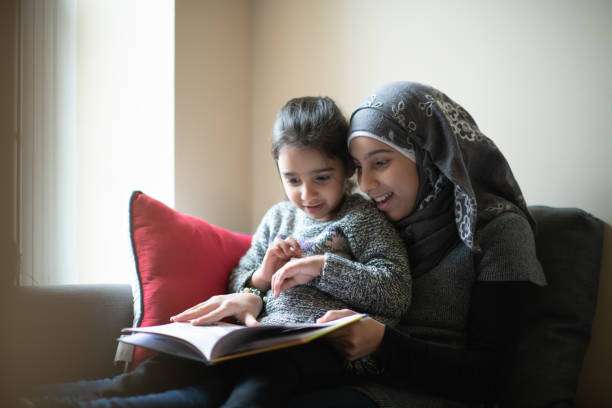
Socio-Cultural Context of Muslim Women in India.
Understanding the psychological health of Muslim women requires an appreciation of the broader social and cultural environment in which they live. India is home to one of the world’s largest Muslim populations, representing diverse linguistic, ethnic, and cultural traditions. Consequently, there is no single experience of being a Muslim woman in India.
Many Muslim families place significant importance on education, family cohesion, religious values, and community participation. These values often provide emotional stability, social support, and a strong sense of identity. Family networks can serve as important protective factors against psychological distress by offering practical assistance and emotional reassurance during difficult times.
However, social expectations regarding gender roles may sometimes create internal conflicts. In certain contexts, women may experience pressure to prioritize domestic responsibilities over higher education or career aspirations. When personal ambitions differ from family expectations, individuals may experience stress, guilt, anxiety, or reduced self-confidence. Such experiences are not exclusive to Muslim communities and are observed across many cultural and religious groups in India.
Socioeconomic conditions further influence psychological outcomes. Research has consistently shown that financial insecurity is associated with increased levels of chronic stress, anxiety, and depressive symptoms. Muslim women living in economically disadvantaged households may encounter additional obstacles in accessing quality education, healthcare, digital resources, and employment opportunities. Economic hardship can reduce perceived control over one’s future, thereby increasing vulnerability to psychological distress.
Social discrimination also contributes to mental health outcomes. Some Muslim women report experiencing prejudice in educational institutions, workplaces, housing markets, or public spaces due to their religious identity, particularly those who visibly express their faith through clothing or cultural practices. Experiences of discrimination may lead to feelings of exclusion, hypervigilance, reduced self-esteem, and chronic stress. Psychological research indicates that repeated exposure to discrimination can negatively affect emotional well-being and increase the risk of anxiety and depressive disorders.
Nevertheless, focusing solely on adversity presents an incomplete picture. Across India, Muslim women have emerged as educators, doctors, lawyers, entrepreneurs, researchers, artists, civil servants, and community leaders. Their achievements demonstrate resilience, determination, and the ability to navigate complex social environments. These positive examples challenge stereotypes and highlight the importance of recognizing diversity within the community.
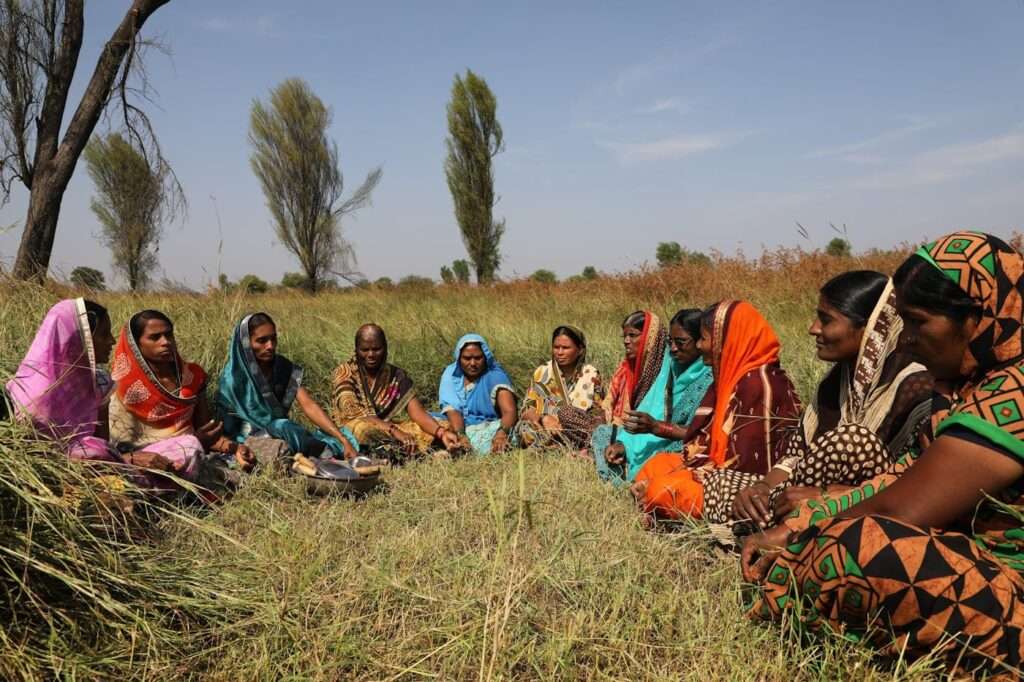
Psychological Challenges and Mental Healt
Mental health challenges arise through the interaction of biological, psychological, and social factors. Among Muslim women in India, psychological distress may be influenced by multiple stressors rather than any single cause. Understanding these interconnected factors is essential for designing effective interventions.
One of the most common concerns is chronic stress. Women balancing household responsibilities, caregiving, education, employment, and social expectations often experience persistent psychological pressure. According to Lazarus and Folkman’s Stress and Coping Theory, individuals experience stress when they perceive that environmental demands exceed their available coping resources. Financial insecurity, caregiving burdens, uncertainty about employment, or concerns about children’s futures may therefore contribute to emotional exhaustion.
Anxiety disorders may emerge when individuals experience prolonged uncertainty, social discrimination, or fear of negative evaluation. Young Muslim women entering universities or workplaces may worry about acceptance, belonging, or being judged based on stereotypes rather than their abilities. Over time, these concerns can affect concentration, sleep, academic performance, and self-confidence.
Depression may develop when prolonged stress combines with social isolation, limited emotional support, or repeated experiences of hopelessness. Symptoms such as persistent sadness, loss of interest, fatigue, feelings of worthlessness, and difficulty concentrating can significantly impair daily functioning. It is important to emphasize that depression is a medical condition requiring appropriate support and should never be interpreted as a sign of personal weakness or insufficient faith.
Identity-related stress is another important psychological concern. Adolescence and early adulthood are critical periods for identity formation. Muslim women often navigate multiple identities simultaneously as women, students, professionals, daughters, citizens, and members of a religious minority. Successfully integrating these identities can strengthen psychological well-being, whereas conflicts between them may contribute to emotional distress. Social Identity Theory suggests that a secure sense of belonging positively influences self-esteem, while experiences of exclusion may undermine psychological health.
Despite these challenges, resilience remains a defining characteristic of many Muslim women. Personal determination, supportive families, meaningful friendships, education, religious faith, and community engagement often serve as powerful protective factors that enable women to overcome adversity and maintain psychological well-being.