Author – Shariqa Malik | Convenor | Awaz E Khwateen
By Shariqa Malik
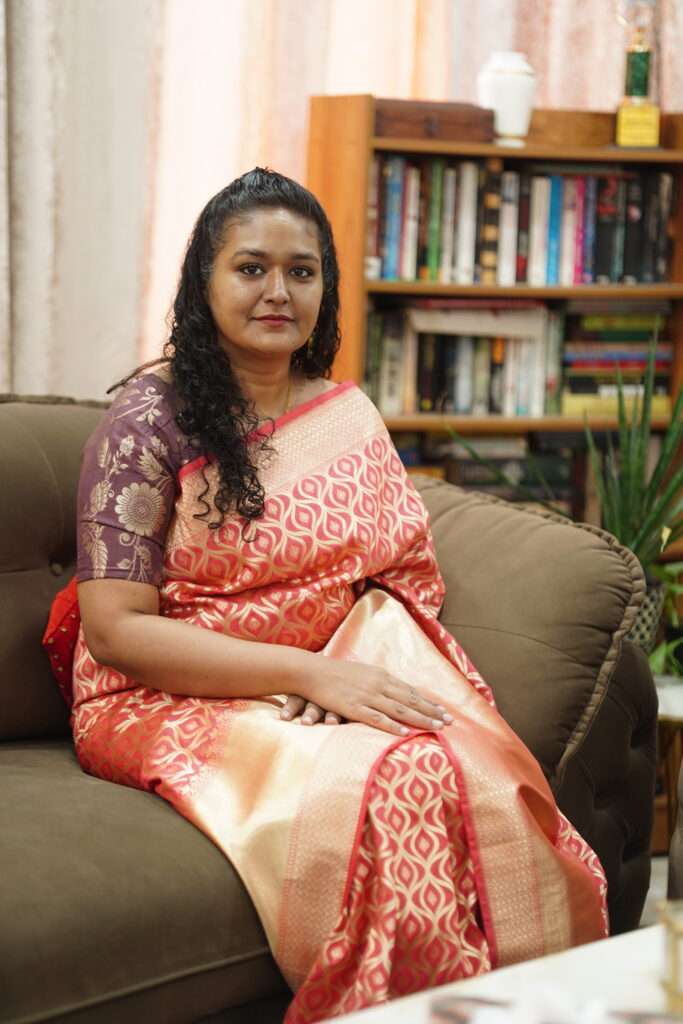
As Deputy Vice President at HDFC Bank, Pune, Shabab Khan has built a professional life around responsibility and commitment. Her role demands resilience, sound judgement and the ability to navigate challenges. But around the time she gave birth, life presented her with a challenge she could never have anticipated.
While navigating the postpartum phase and adjusting to motherhood, Shabab was living with a condition that had not yet been identified. She was subsequently diagnosed with stage-four lung
cancer.
A new mother and a senior banking professional, she suddenly found herself navigating circumstances that extended far beyond the demands of her career. Yet, her story is not just about cancer. It is about the people who have stood beside her, the relationships that have changed and the realities of being a woman whose life has taken an unexpected turn.
The People Who Stay, and Those Who Drift Away
A serious diagnosis brings with it a series of decisions, often at a time when a person is still trying to comprehend what is happening. Medical opinions, treatment options and the uncertainty of what lies ahead can make an already difficult period even more overwhelming.
For Shabab, her husband’s support has been an important part of this journey. He shortlisted five doctors and then left the decision to her. It was a gesture that allowed her to exercise her own judgement at a time when so much felt beyond her control.
Her siblings, too, have been her rock. Their presence has offered her strength through a period that has affected not just her, but those closest to her.
But illness can also reveal unexpected changes in relationships. Shabab has experienced friends distancing themselves or disappearing from her life. People may struggle to understandcircumstances they have never encountered, unsure of what to say or how to respond. Yet, for the person going through it, that silence can be difficult to make sense of.
A diagnosis changes many things, but it does not erase the need for friendship, conversation or ordinary human connection. Someone living with cancer may still want to talk about work, laugh at something inconsequential or share the small details of everyday life. Not every conversation needs to revolve around illness.
Words, too, can carry a weight that the speaker may never fully realise. A casual remark, an assumption about what lies ahead or an unsolicited prediction may seem insignificant to one person but stay with another long after the conversation has ended.
Compassion does not always require the perfect words. Sometimes, it means listening without offering predictions, staying present without demanding explanations and recognising that we cannot know exactly what another person is experiencing.
Shabab’s journey reminds us that support is not measured only by what we say or do in moments of crisis. It is also reflected in our willingness to remain present when someone’s life becomes unfamiliar to us.
The Woman Beyond the Diagnosis
It is easy for a diagnosis to become the first thing people see. A person’s professional identity, relationships, ambitions and everyday interests can begin to fade behind medical terminology.
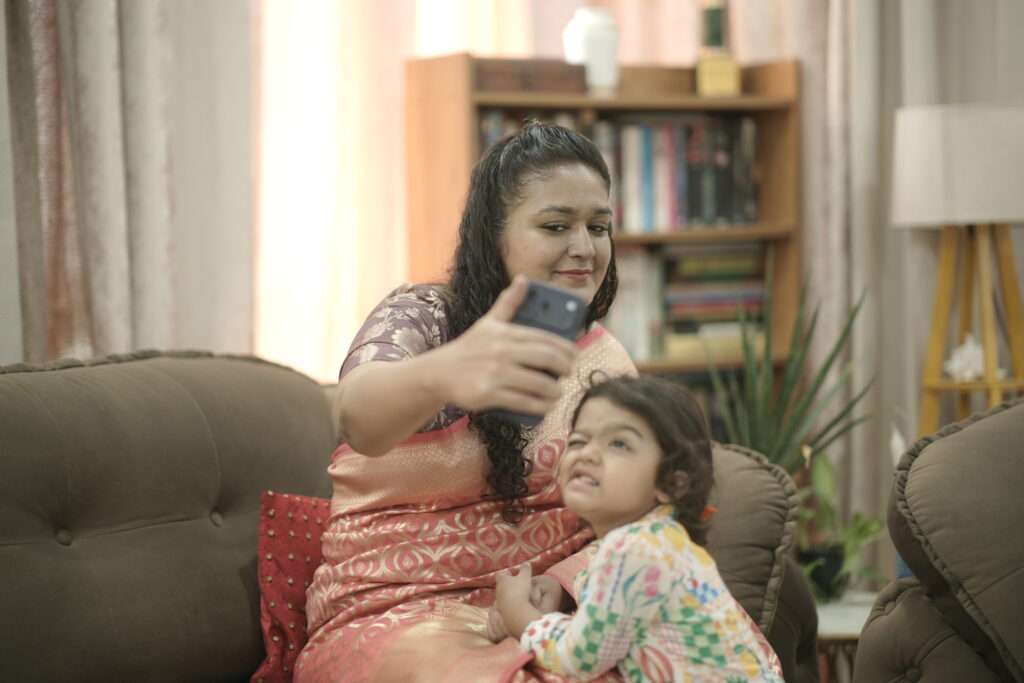
But Shabab is more than a cancer patient. She is a professional, a daughter, a wife, a mother, a sister and a person whose life continues beyond hospital visits and treatment.
Her experience also brings attention to the many roles women navigate, often simultaneously. Professional commitments coexist with family responsibilities, relationships and the expectations women place on themselves. In trying to meet these demands, personal well-being can quietly move to the bottom of the list.
Women are often expected to keep things moving, to be dependable and to make room for everyone else. Looking after themselves can become something they intend to do later, when work settles down or family responsibilities become easier to manage. Yet, there is rarely a perfect moment when everything else falls into place.
The Day We Realise We Do Have Time
There is something we say quite casually in everyday life: I don’t have time.
We say it about a doctor’s appointment we keep postponing, the rest we keep putting off or the simple act of slowing down. Work is busy, the family needs attention and there is always something else that seems more urgent. Our own health often becomes something we will attend to when time allows.
Shabab’s experience has changed the way she looks at this. She continues to manage her everyday responsibilities, but with a conscious decision to put her health first. The other things still matter, but they no longer automatically take precedence over her well-being.
It is a shift many women may recognise. Between professional commitments, family responsibilities and the expectations they place on themselves, looking after their own health can feel like one more task competing for limited time.
But perhaps the question is not whether we have time to look after ourselves. It is whether we have given our health the importance it deserves.
A diagnosis can bring this realization into sharp focus,but we should not have to wait for a medical crisis to reconsider our priorities. Looking after ourselves is not a distraction from our responsibilities. It is an essential part of living well and being able to meet them.
Shabab’s experience is a reminder that life does not necessarily become less demanding when we begin prioritising our health. Sometimes, we simply learn to organise it differently. And perhaps that is a lesson worth learning before life forces us to.
A Story Still Unfolding
There is no single lesson that can fully explain Shabab Khan’s experience, nor should her journey be reduced to a story about courage or resilience alone. Such words can be meaningful, but they cannot capture the uncertainty, the difficult decisions or the ordinary days that make up life after a diagnosis.
Her story asks us to look again at how we support people through illness, how we sustain relationships and how readily we offer care to others while postponing it for ourselves.
For someone navigating cancer alongside new motherhood and a demanding professional life, the experience touches several parts of her identity at once. It is important, therefore, to see her in the fullness of that life rather than allowing a diagnosis to define her.
Shabab’s story is still unfolding. It does not need a neat ending to carry meaning. Sometimes, the most honest way to tell a story is to acknowledge that uncertainty remains, that support matters and that life continues to be lived one decision, one relationship and one day at a time.
And perhaps listening to her story can encourage us to show up more thoughtfully for the people around us, while giving ourselves the same care we so readily offer others.