
Breast cancer has become one of the most pressing public health issues of our day, no longer a remote medical issue limited to hospitals and research journals. It is a disease that affects millions of people annually and transcends age, geography, class, and culture. Beyond numbers, breast cancer tells tales of survival and silence, early hope and delayed diagnosis, and resiliency and loss. It is currently the most common cancer diagnosed in women globally and a major cause of cancer-related deaths, necessitating not only medical care but also social awareness and political commitment.
Figure 1 AI GENERATED
The prevalence of breast cancer has alarmingly increased worldwide. The World Health Organization estimates that 670,000 women died from breast cancer in 2022, while 2.3 million women received a diagnosis. Breast cancer affects women in more than 150 countries, making it a truly global epidemic that is especially concerning. Even though high-income nations now have much higher survival rates thanks to medical advancements, not everyone benefits equally from early detection and cutting-edge treatment. In low- and middle-income nations, where health systems frequently struggle with scarce resources, delayed diagnosis, and insufficient access to high-quality care, women bear a disproportionate share of the burden of death.
The future projections are even more troubling. Global cancer estimates suggest that if current trends continue, breast cancer cases may rise to over 3.2 million annually by 2050, with deaths exceeding 1.1 million per year. These projections do not merely reflect biological risk but underline deeper structural issues such as population growth, ageing, lifestyle changes, urbanization, and persistent inequalities in healthcare access. In essence, breast cancer is not just a disease of cells; it is a disease shaped by social conditions and policy failures.
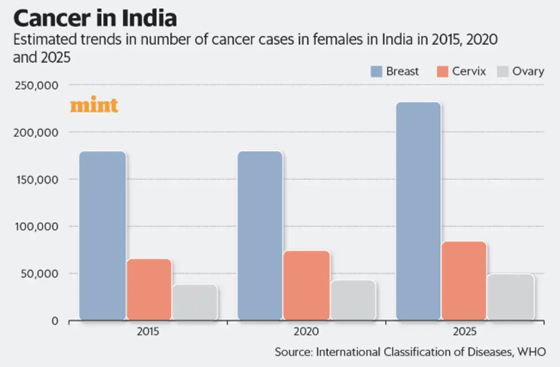
India finds itself at the center of this growing crisis. Breast cancer has overtaken cervical cancer to become the most common cancer among Indian women. In 2022 alone, India reported over 1.9 lakh new breast cancer cases, placing it among the countries with the highest incidence globally (Global Cancer Observatory – GLOBOCAN 2022). More distressing is the mortality figure: nearly one lakh Indian women died due to breast cancer in the same year. This high number of deaths reveals a harsh truth — in India, a diagnosis of breast cancer is far more likely to be fatal than in many developed nations.
Late detection is one of the main causes of this bleak reality. A sizable percentage of Indian women receive a diagnosis at an advanced stage of the illness, frequently Stage III or IV, when there are fewer treatment options and worse results. Delays in diagnosis are caused by a number of factors, including cultural stigma, ignorance, fear of social rejection, and a lack of screening facilities. Due to social taboos surrounding women’s bodies and cancer in general, family obligations, or financial dependence, many women disregard early symptoms or are reluctant to seek medical attention.
Statistics on survival emphasise the disparity even more. In several high-income nations, the five-year survival rate for breast cancer is over 90%, while in India it is estimated to be around 66%. Disparities in early detection, treatment quality, follow-up care, and patient support systems, rather than variations in the disease’s biology, are the cause of this gap. Breast cancer is becoming more controllable and frequently curable in areas with early detection and prompt treatment. It continues to be a silent killer when they are not.
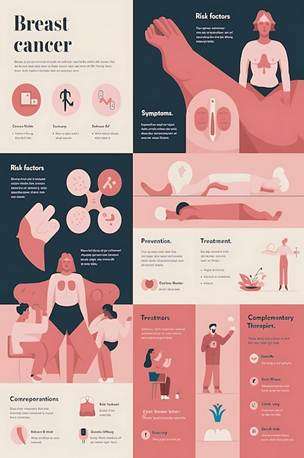
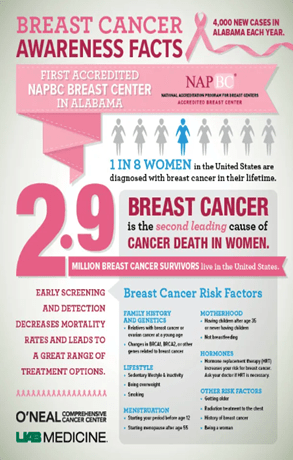
A complex interplay of risk factors influences breast cancer. The strongest determinants are still age and gender, and as women age, their risk increases. Although only a small portion of cases are inherited, genetic mutations like BRCA1 (Breast Cancer Gene) and BRCA2 greatly increase the risk. Rising rates of breast cancer in India are increasingly linked to lifestyle changes brought on by urban living, such as obesity, physical inactivity, alcohol consumption, irregular sleep patterns, and delayed childbirth. However, one of the most startling facts is that almost half of all cases of breast cancer occur in women who have no discernible risk factors other than age and sex. For this reason, screening and universal awareness are essential.
Early on, breast cancer symptoms are frequently mild. Warning signs that are often overlooked include nipple discharge, skin dimpling, changes in breast shape, and a painless lump in the breast or underarm. This emphasises the significance of age-appropriate screening techniques like mammography, clinical breast exams, and routine self-examinations. The most effective strategy for lowering the death rate from breast cancer is still early detection, but screening program participation in India is still alarmingly low.
Treatment for breast cancer has advanced significantly over the years, combining surgery, chemotherapy, radiation therapy, hormonal treatment, and targeted therapies based on tumor biology. While India has several world-class cancer centers capable of delivering advanced care, access remains uneven. For many women, especially those from rural and economically weaker backgrounds, the cost of treatment, distance from healthcare facilities, and lack of health insurance act as formidable barriers.
Despite these challenges, there is hope. Global initiatives such as the WHO’s Global Breast Cancer Initiative aim to reduce mortality by promoting early diagnosis, timely treatment, and health system strengthening, particularly in resource-limited settings. In India, increasing awareness campaigns, community outreach programs, and survivor-led advocacy are slowly breaking the silence around breast cancer. These efforts remind us that breast cancer outcomes can be transformed not just by technology but by education, empathy, and empowerment.
Ultimately, breast cancer is more than a medical condition; it is a mirror reflecting how societies value women’s health. Every statistic represents a woman with dreams, responsibilities, and relationships. Reducing the burden of breast cancer requires collective action from governments investing in public health infrastructure to communities fostering awareness and individuals prioritizing preventive care. When detected early and treated on time, breast cancer need not be a death sentence. The challenge lies in ensuring that this truth reaches every woman, everywhere.