
Tooba khatoon | edited by Yusra siddiqui | 28-02-2026 | Awazekhwateen
Every year on 28 February, India celebrates National Science Day to commemorate the discovery of the Raman Effect by C. V. Raman, which later earned him the Nobel Prize in Physics. While the day honors a landmark in Indian scientific achievement, from a woman’s perspective it also becomes a day of reflection — reflection on access, representation, resilience, and the unfinished journey toward equality in science.
Science: Beyond the Laboratory

For women, science has never been limited to laboratories and research papers. It has existed in kitchens where chemistry unfolds daily, in fields where agricultural knowledge is passed down generations, and in homes where health decisions are made with practical understanding. Yet, despite this lived science, women have historically been excluded from formal scientific spaces.
National Science Day is therefore not only about celebrating discovery — it is about reclaiming space.
Breaking Barriers: Women Who Redefined Possibility. Indian science is not only the story of Raman; it is also the story of women who dared to enter rooms where they were not expected.
- Janaki Ammal — A pioneering botanist who made remarkable contributions to plant breeding.
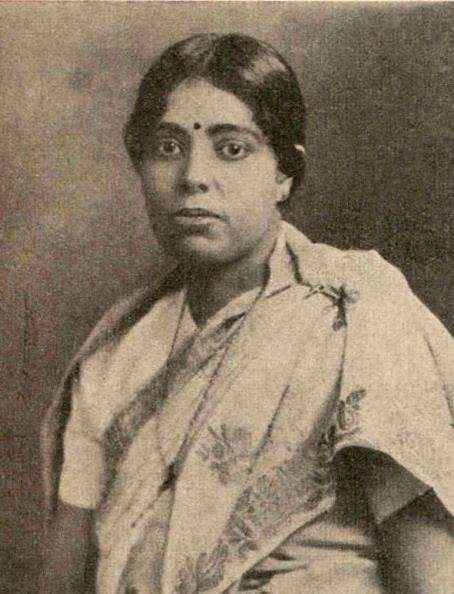
- Asima Chatterjee — Known for her work in anti-malarial and anti-epileptic drugs.

- Tessy Thomas — Popularly called the “Missile Woman of India.”

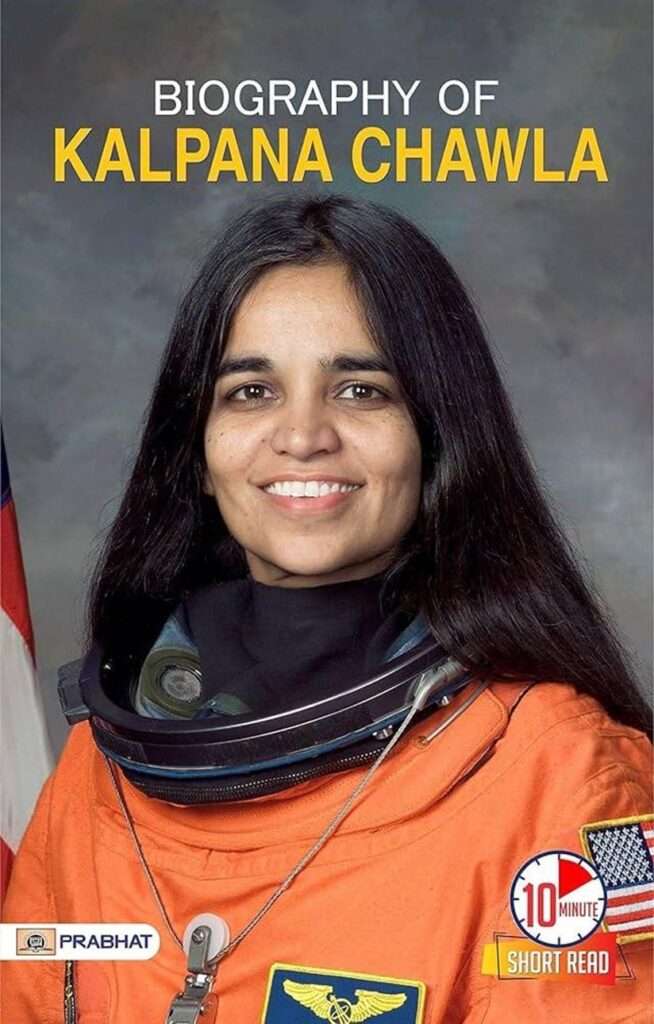
- Kalpana Chawla — Whose journey from Karnal to space inspired millions of girls.
- Their stories show that brilliance has no gender — but opportunity often does.
The Silent Challenges Women Face in Science
From a woman’s perspective, science is not only equations and experiments; it is also negotiation and persistence.
Access to education: Many girls still drop out before higher education due to socio- economic pressures.
Workplace bias: Women scientists often face subtle discrimination and fewer leadership opportunities.
Work–life balance expectations: Society disproportionately assigns caregiving roles to women.
Lack of mentorship: Fewer senior women in STEM means fewer role models.
Thus, celebrating Science Day without acknowledging these realities would be incomplete.
Why Science Needs Women
Science thrives on diversity. Different experiences lead to different questions — and better solutions. Women researchers have brought transformative perspectives in public health, climate studies, social sciences, and technology design. From vaccine research to artificial intelligence ethics, inclusive science produces inclusive innovation.
Moreover, when girls see women scientists, their imagination expands. Representation is not symbolic — it is structural change.
The Way Forward: From Celebration to Commitment
- National Science Day should evolve from a ceremonial observance into a movement:
- Encourage STEM education for girls at school level.
- Provide scholarships and research grants targeted at women.
- Create flexible work policies in scientific institutions.
- Promote women into leadership and decision-making roles.
- Highlight women scientists in textbooks and media.
Science Day must ask: Who is missing from the lab? Who is unheard in policy rooms?
Conclusion: Science as Empowerment
From a woman’s perspective, National Science Day is not merely about a past discovery; it is about future possibilities. It is about ensuring that curiosity is never suppressed because of gender. It is about transforming science from an elite pursuit into an inclusive force for social justice.
When a girl picks up a microscope without fear, when a woman leads a research team without bias, when knowledge is valued irrespective of gender — that will be the true celebration of science.