Aisha | Aligarh Muslim University | Updated by Tooba Khatoon | Date- 22-06-2026 |
Between Identity, Agency, Faith, and Everyday Realities
Mental health conversations today are becoming more visible than ever before. Yet within these discussions, some voices continue to remain underrepresented—not because their experiences are absent, but because they are often misunderstood, simplified, or spoken for. The psychological well-being of Muslim women exists within one such complex and important space.
Too often, Muslim women are viewed through narrow lenses: either as symbols of oppression needing rescue or as examples of resilience expected to endure everything silently. Reality, however, lies beyond these extremes.
Muslim women across societies today navigate layered identities—as individuals, daughters, mothers, students, professionals, caregivers, leaders, and believers. Their psychological well-being is shaped not by one factor but by the interaction of social structures, family dynamics, economic opportunities, cultural expectations, faith, education, representation, and personal agency.
Understanding Psychological Well-Being Beyond Mental Illness
Psychological well-being is more than the absence of stress, anxiety, or depression. It includes emotional balance, self-worth, meaningful relationships, autonomy, purpose, safety, hope, and the ability to make decisions about one’s own life.
For Muslim women, well-being often develops through multiple sources at once:
- Family and community support
- Spiritual connection and religious practices
- Educational and economic participation
- Social belonging and dignity
- Access to healthcare and mental health services
- Freedom to pursue personal goals
When these dimensions support one another, women often experience greater confidence, resilience, and life satisfaction. When barriers accumulate, psychological strain can increase.
The Invisible Emotional Load
Across many communities globally, women continue to perform substantial emotional and caregiving labour—managing households, relationships, child care, elder care, and community responsibilities while also participating in education and employment.
Many Muslim women describe balancing expectations that sometimes appear contradictory: excel academically but remain modest; build careers but prioritise domestic responsibilities; preserve tradition while adapting to changing social environments. This constant negotiation can create emotional fatigue.
Research across different countries shows that women’s mental well-being is strongly connected to autonomy, social support, financial security, and recognition of unpaid labour. Emotional exhaustion often emerges not from faith itself but from unequal expectations, limited support systems, and societal pressures.
Faith as a Source of Psychological Strength
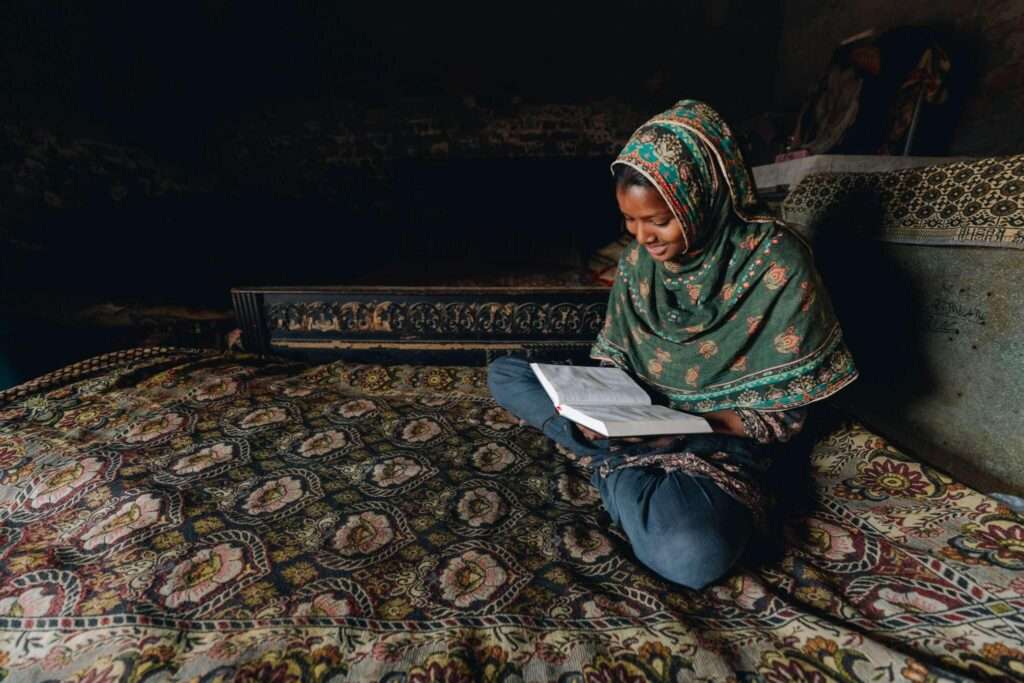
An important dimension often overlooked in mainstream discussions is the role of faith. For many Muslim women, spirituality provides emotional grounding, meaning, structure, community connection, and hope during difficult times. Practices such as prayer, reflection, gratitude, charity, and collective support can strengthen emotional resilience.
Faith should not automatically be interpreted as restriction, nor should it be romanticised as replacing professional mental health support. Many Muslim women draw strength from both: spiritual practices and modern approaches to psychological care.
This integrated understanding is becoming increasingly important in contemporary mental health conversations.
Education, Work, and the Question of Agency
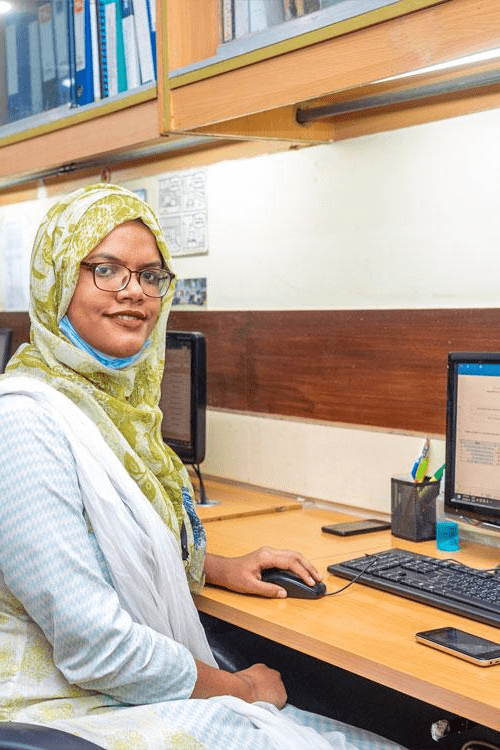
Education and economic participation have transformed opportunities for Muslim women in many regions. Increasing access to higher education has enabled more women to enter public life, professional spaces, entrepreneurship, civil services, research, journalism, and leadership.
However, opportunity alone does not guarantee well-being. When women enter institutions where they experience exclusion, stereotyping, underrepresentation, discrimination, or pressure to constantly prove themselves, emotional strain can persist despite educational advancement.Psychological well-being improves not simply through access—but through meaningful inclusion. Agency matters.
The ability to participate in decisions about education, marriage, work, mobility, finances, and personal aspirations directly influences confidence and emotional health.
Representation and Everyday Belonging
Representation is not only about visibility—it affects how people imagine their possibilities.
When Muslim women see themselves represented as scientists, artists, athletes, judges, entrepreneurs, educators, and policymakers, it expands collective imagination.
Equally important is everyday belonging: feeling safe in classrooms, workplaces, institutions, and communities without needing to constantly explain one’s identity.
Small experiences of recognition and respect often shape psychological well-being more than public narratives suggest.
The Mental Health Conversation We Need
Contemporary conversations on Muslim women’s well-being must move beyond stereotypes.The question should not be: Are Muslim women empowered or oppressed?
The better questions are:
- What conditions help women flourish?
- What barriers affect emotional well-being?
- How do women define dignity and fulfilment for themselves?
- How can institutions become more inclusive and supportive?
Mental well-being cannot be separated from social realities.
Listening becomes as important as policy.
Conclusion: Beyond Survival Toward Flourishing
The psychological well-being of Muslim women cannot be understood through assumptions.Their lives are shaped by diverse experiences, aspirations, struggles, relationships, and strengths. Many continue to build meaningful lives while balancing tradition and change, individual dreams and collective responsibilities, faith and modernity.
The goal should not merely be helping women cope. The goal should be creating conditions where women can thrive—emotionally, intellectually, socially, economically, and spiritually.Because when women’s well-being becomes a priority, communities become healthier, institutions become stronger, and societies become more humane.